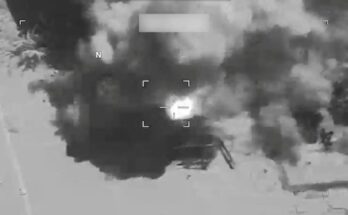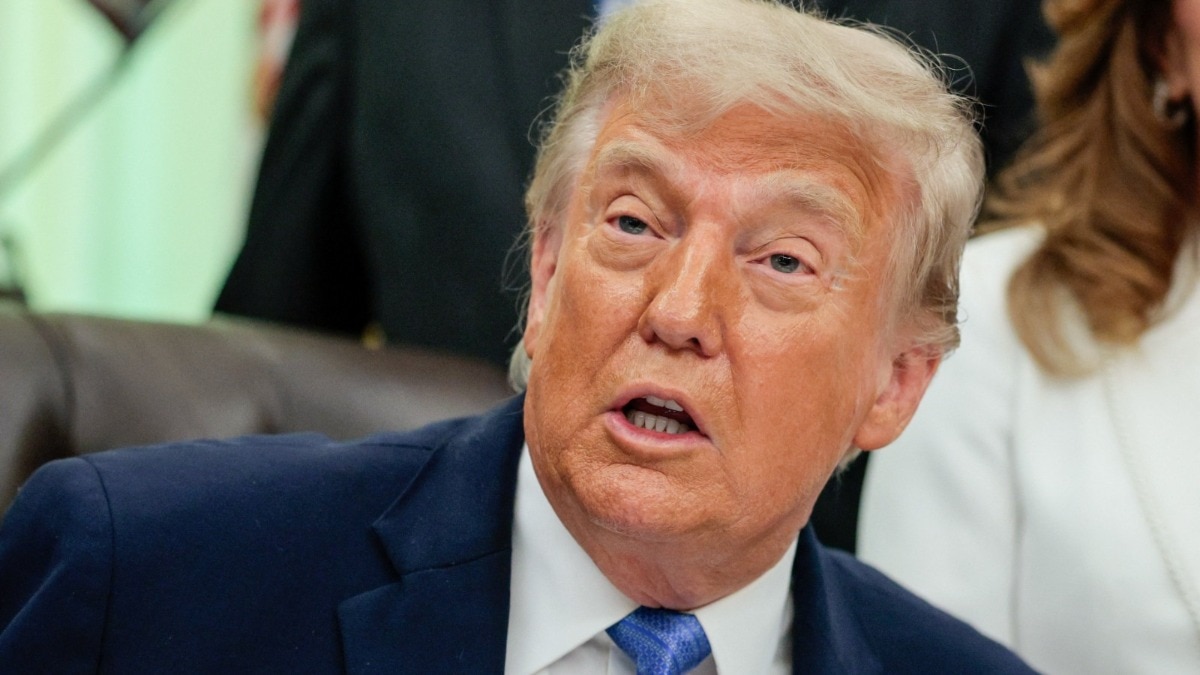
Hours after threatening to hit Iran “very hard” on Tuesday night, US President Donald Trump made a U-turn, announcing that he had cancelled planned strikes and bombings after talks with Tehran reached the highest levels of Iran’s leadership.
Key Insights & Highlights
“Based on the fact that discussions with the Islamic Republic of Iran have been brought to the highest level of Iranian leadership and approved, I have, as President of the United States of America, cancelled the scheduled strikes and bombings against Iran this evening,” Trump wrote in a post on Truth Social.
The announcement capped yet another remarkable day of mixed signals from Washington. Earlier, Trump had warned that the US would launch a powerful new round of attacks on Iran and had even floated the possibility of taking control of Kharg Island, Tehran’s main oil export hub. By evening, however, the focus had shifted from military action to diplomacy.
The US President claimed that negotiators had reached broad agreement on both the framework and details of a deal.
Key Insights & Highlights
“Discussions and final points have been, in both concept and great detail, approved by all parties involved, including the United States, Israel, Saudi Arabia, UAE, Qatar, Turkey, Pakistan, Bahrain, Kuwait, Jordan, Egypt, and others,” he wrote.
Key Insights & Highlights
“Time and place of the signing to be announced shortly,” he added.
Despite the apparent diplomatic progress, Trump said the US naval blockade would remain in place until any agreement was formally completed.
Iranian officials responded sharply to Trump’s threats.
Key Insights & Highlights
Mohammad Baqer Qalibaf, Iran’s parliamentary speaker and chief negotiator, warned that further escalation could have serious consequences.
Key Insights & Highlights
“Wrong strategies and impulsive decisions will reset the entire board for the worse, explode energy infrastructure and markets and create an endless quagmire that you will be stuck in for years,” he wrote on X.
Key Insights & Highlights
“You will see a different Iran,” he added.
After a second day of strikes by both sides in the Gulf appeared to threaten a return to all-out war, reports indicate that indirect negotiations between the US and Iran have intensified in recent days. Sources cited by news agency Reuters said both sides are discussing a preliminary framework to end hostilities.
One of the most significant unresolved issues remains the release of billions of dollars in frozen Iranian funds held abroad.
According to Reuters, Tehran wants direct access to those funds, while Washington prefers a phased release tied to humanitarian purposes and compliance measures. Iran is also seeking the lifting of sanctions and guarantees related to regional security issues.
US Treasury Secretary Scott Bessent warned that Iran could be forced to pay for damage caused to Gulf allies.
The immediate risk of further US attacks may have eased, but the status of any agreement remains uncertain, with no official confirmation yet from Tehran.