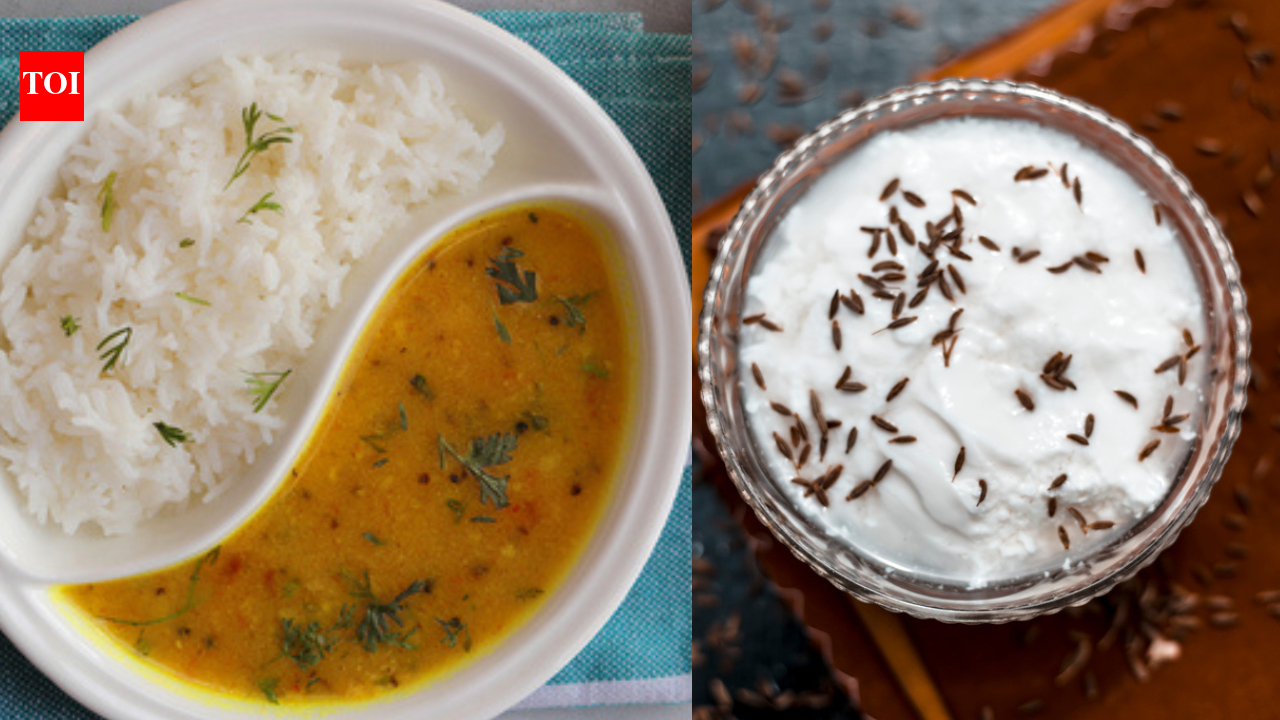
Traditional Indian culinary practices have always understood a secret that modern nutrition science is only now proving: food works best in company. A single ingredient can offer wonderful benefits on its own, but when combined with the right companion, they create a nutritional synergy where the total health benefits are far greater than the sum of their parts.
These smart combinations help our bodies absorb vital nutrients more efficiently, make rich meals much gentler on the digestive system, and provide steady, sustained energy throughout the day. Here are six time-tested Indian food pairings that become exceptionally healthier when eaten together.
1. Dal and Rice (Varan Bhaat / Khichdi)
The quintessential Indian comfort meal—Dal and Rice—is a masterpiece of nutritional biochemistry.
- The Protein Synergy: Lentils are high in proteins but lack the essential amino acid methionine. On the other hand, rice lacks another essential amino acid called lysine but is rich in methionine.
- Complete Protein: When eaten together, they perfectly complement each other to form a complete, high-quality protein profile similar to animal protein, which is absolutely vital for muscle repair, cell growth, and vegetarian diets.
2. Turmeric and Black Pepper (Haldi-Kalee Mirch)
Turmeric is renowned for its incredible anti-inflammatory, antioxidant, and healing properties, which come from its active compound, curcumin. However, curcumin has very low bioavailability, meaning our bodies struggle to absorb it and mostly flush it out.
- The 2000% Boost: Black pepper contains a compound called piperine. Research shows that pairing even a tiny pinch of black pepper with turmeric increases curcumin absorption by a staggering 2,000%!
- Potent Wellness: Adding black pepper makes the turmeric highly active, enhancing its ability to combat chronic inflammation, improve joint health, and strengthen the immune system.
3. Roti and Ghee (Sleek Healthy Fats)
Brushing a hot, fresh roti with a little dollop of ghee is a traditional habit that is deeply functional.
- Slowing Digestion: Roti contains carbohydrates. Spreading ghee (a source of healthy, short-chain fatty acids) on it lowers the overall glycemic index of the meal. This slows down the release of sugar into the bloodstream, preventing energy spikes and crashes.
- Nutrient Absorption: The healthy fats in ghee act as a crucial vehicle for absorbing fat-soluble vitamins (A, D, E, and K) present in the accompanying vegetables and lentils.
4. Curd and Roasted Cumin (Dahi-Jeera)
Often served during hot summer months as a refreshing *Raita* or buttermilk, this combination is the ultimate digestive elixir.
- Gut Health: Curd is a natural probiotic packed with gut-friendly bacteria that help replenish your microbiome and strengthen your digestive lining.
- Easing Bloating: Cumin seeds (Jeera) contain active compounds that stimulate the secretion of pancreatic enzymes, boosting digestion. Together, they neutralize acidity, prevent bloating, and keep the stomach cool and light.
5. Spinach and Lemon (Palak-Nimbu)
Green leafy vegetables like spinach are loaded with non-heme iron (plant-based iron). However, non-heme iron has a chemical structure that makes it highly difficult for the human digestive tract to absorb.
- Vitamin C Unlock: Lemon juice is rich in ascorbic acid (Vitamin C). When you squeeze fresh lemon over cooked spinach or palak dal, the Vitamin C chemically converts the non-heme iron into a soluble compound that the body can easily absorb.
- Combating Anemia: This quick addition significantly optimizes iron intake, making it a simple yet powerful way to combat iron deficiency and fatigue.
6. Coconut and Curry Spices
In coastal Indian kitchens, coconut (whether grated, pasted, or as milk) is seamlessly integrated into spicy curries.
- Medium-Chain Triglycerides (MCTs): Coconut is rich in MCTs—healthy fats that digest quickly and are converted into immediate energy.
- Bioavailability of Spices: Spices like coriander, cumin, chilies, and fenugreek contain bioactive fat-soluble compounds. Cooking them in coconut fat acts as a premium carrier, ensuring the body absorbs these healing antioxidants while balancing out the heat of the spices to keep the stomach happy.