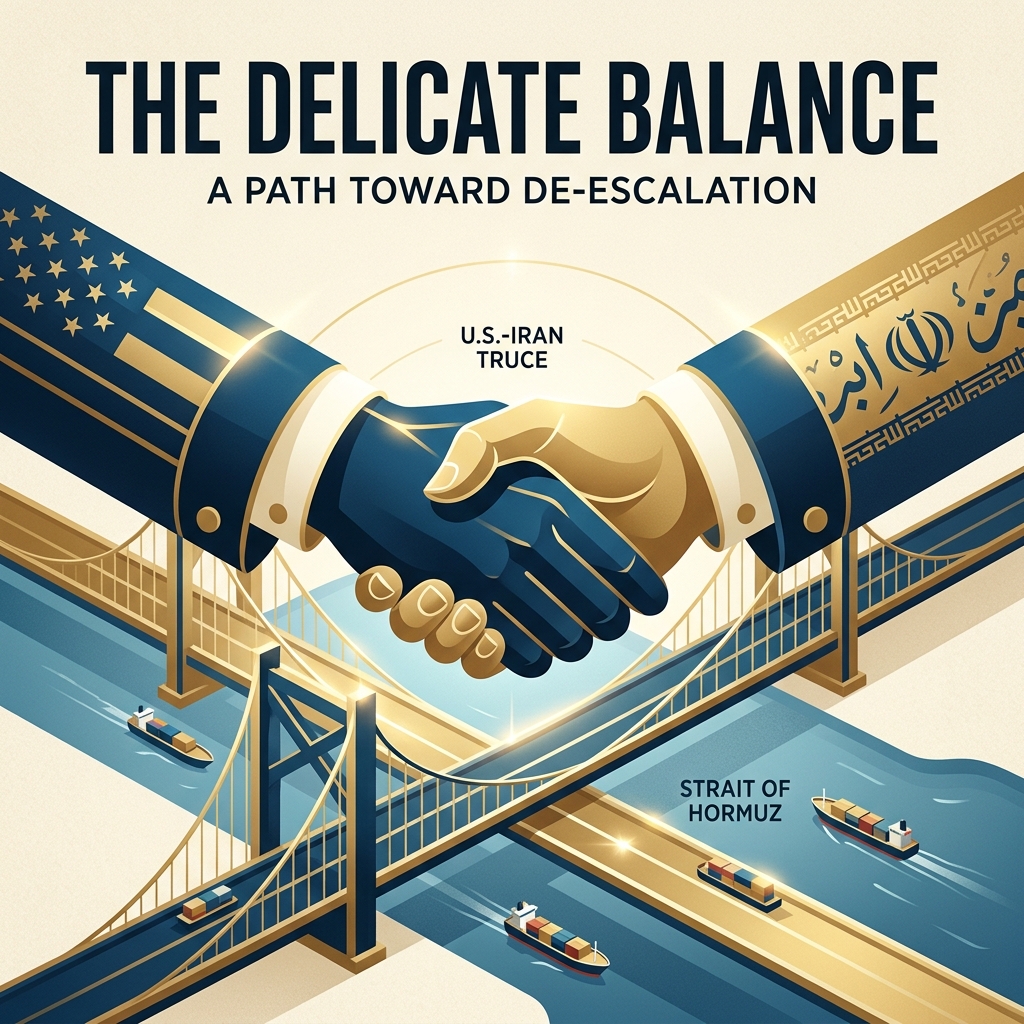
In a high-stakes diplomatic breakthrough, negotiators have reached a tentative agreement on a 60-day extension of the U.S.-Iran ceasefire. The critical accord aims to prolong the delicate peace deal initiated in late February 2026, averting a return to active regional hostility and securing vital global energy shipping corridors.
The Memorandum of Understanding (MOU) represents weeks of behind-the-scenes diplomacy aimed at preventing maritime disruptions. Under the new agreement, Tehran has formally committed to removing naval mines from the strategic waterways and guaranteeing the uninterrupted passage of international merchant vessels through the critical transit point.
Securing the Strait of Hormuz
The Strait of Hormuz is widely regarded as the world’s most critical oil transit chokepoint, with approximately one-fifth of global petroleum consumption passing through it daily. The extension of the truce brings immediate relief to international energy markets:
- Mine Clearance Operations: As part of the bilateral understanding, Iranian naval units will actively dismantle and clear defensive sea mines laid during the initial stages of the conflict.
- Safe Transit Guarantees: Iran’s Revolutionary Guard naval forces will refrain from intercepting, harassing, or boarding commercial tankers operating in the Persian Gulf.
- De-escalation of Naval Presence: Both U.S. and allied naval task forces will maintain an observant but non-provocative posture in international waters adjacent to the Strait.
Awaiting Executive Approval
While negotiators from both sides have finalized the operational framework of the 60-day truce extension, the agreement remains tentative until it receives formal presidential authorization.
“The diplomatic teams have constructed a solid, workable framework that protects global commerce and stops immediate escalation. However, the final signature from U.S. President Donald Trump is required to put the formal mechanisms into full effect.”
Diplomats remain highly optimistic that the extension will be approved, paving the way for more comprehensive discussions in Geneva later this summer to draft a permanent, durable regional security framework.